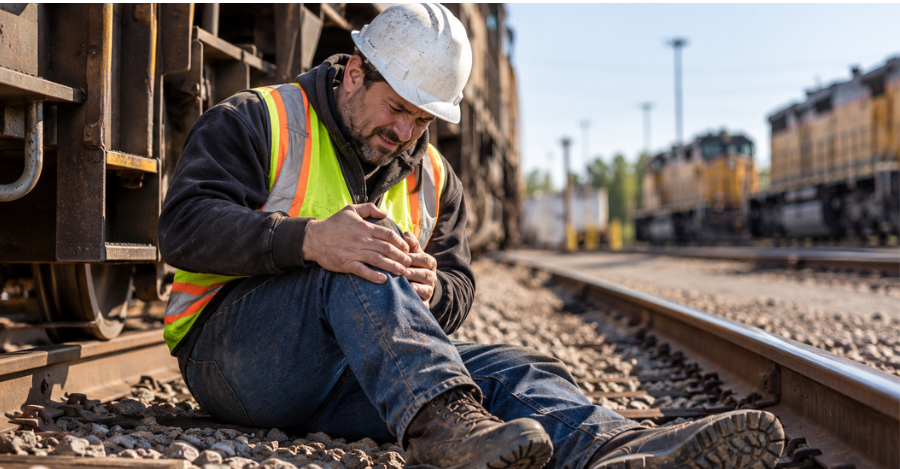
When a workplace accident happens, many employees assume that workers’ compensation is their only option to recover lost wages and medical bills. In some cases, a third party may be responsible for your physical injury and emotional distress. This means someone other than your employer could be at fault.
This is where third-party liability is important. It lets injured workers seek more money through a personal injury lawsuit.
What Is Third-Party Liability?
Third-party liability occurs when someone other than your employer causes or contributes to a workplace accident. Workers’ compensation stops employees from suing their employers for negligence. However, a third-party claim lets you hold someone else responsible for your injuries.
Examples of Third-Party Liability in Workplace Accidents
Third-party claims can arise in various work settings. Some common examples include:
- Defective Equipment or Machinery: If a tool, machine, or piece of equipment malfunctions due to a manufacturing defect, the manufacturer or distributor may be responsible for the injury.
- Negligent Contractors or Subcontractors: On construction sites, multiple companies often work together. If a subcontractor or another company on-site creates unsafe conditions, they may be held liable for any accidents.
- Property Owner Negligence: If you suffer a physical injury while working at a site owned by a third party (such as a customer location or leased space), the property owner may be responsible for failing to maintain safe conditions.
- Vehicle Accidents on the Job: If you are involved in a car accident while working—such as a delivery driver hit by a reckless driver—the at-fault motorist may be held liable.
- Toxic Substances Exposure: If a worker is exposed to dangerous chemicals due to a supplier’s failure to provide proper warnings, the manufacturer or distributor could be responsible for medical bills and other damages.
How Does a Third-Party Claim Work?
A third-party claim is separate from a workers’ compensation claim. Here’s how the process typically works:
- Investigation: Your attorney will examine the accident details to determine if a third party was involved.
- Filing a Claim: A personal injury lawsuit is filed against the responsible third party, seeking damages beyond what workers’ compensation provides.
- Compensation: If successful, a third-party claim may cover medical expenses, lost wages, emotional distress, pain and suffering, and other damages, which are not typically included in workers’ compensation benefits.
Why Pursue a Third-Party Claim?
Workers’ compensation is limited and often only covers medical bills and a portion of lost wages. A third-party claim, however, can provide full compensation for:
- Pain and suffering
- Future medical costs
- Lost earnings
- Emotional distress
By filing a third-party claim, injured workers may receive more comprehensive compensation than what workers’ compensation alone provides.
Get Legal Help for Your Workplace Injury
If you think a third party caused your workplace accident, it’s important to talk to a skilled personal injury law firm. Kujawski & Associates can help investigate your case, determine liability, and fight for the full compensation you deserve.
Contact us today for a free consultation to discuss your legal options.