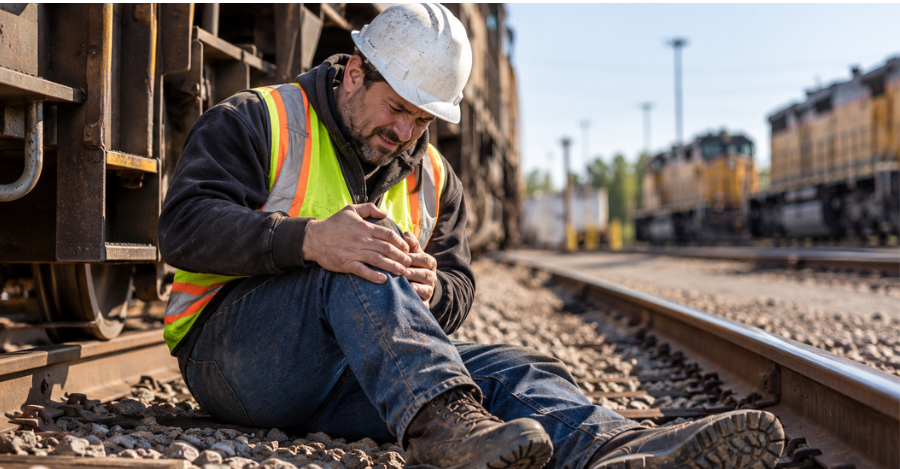
Railroad work is one of the most demanding and dangerous occupations in the country. From operating heavy machinery to maintaining tracks and equipment, railroad employees face unique hazards every day. At Kujawski & Associates, we’ve represented countless injured railroad workers and understand how critical safety is on the job.
Here are some essential railroad safety tips to help protect workers, prevent injuries, and ensure every employee makes it home safely.
1. Stay Alert Around Moving Equipment
Trains and maintenance vehicles can move suddenly and often operate with limited visibility. Always assume a train could be moving — even if it appears idle.
Keep a safe distance from tracks and moving cars.
Avoid distractions such as headphones or phones near active rail lines.
Never step on the rails; they can be slippery and uneven.
2. Use Proper Personal Protective Equipment (PPE)
Wearing the correct PPE is one of the simplest and most effective ways to prevent injuries. This includes:
Hard hats, safety glasses, gloves, and steel-toe boots.
High-visibility vests or reflective clothing for night work.
Hearing protection in areas with high noise levels.
Inspect your gear regularly and replace any damaged or worn items immediately.
3. Follow Safety Procedures and Training
Railroads have strict safety protocols for a reason. Workers should always:
Complete required safety training and refreshers.
Follow lockout/tagout procedures before working on machinery.
Report hazards, defective equipment, or unsafe conditions to supervisors.
When rules are ignored — or when management pressures employees to cut corners — serious accidents can happen.
4. Watch for Slips, Trips, and Falls
Uneven terrain, loose gravel, oil, and debris can cause falls that lead to serious injuries.
Maintain three points of contact when climbing on or off equipment.
Keep walkways and work areas clean and free of tripping hazards.
Be especially cautious in wet or icy weather conditions.
5. Avoid Fatigue and Overexertion
Long shifts and irregular schedules are common in the railroad industry, but fatigue can be as dangerous as any physical hazard.
Take rest breaks as needed.
Stay hydrated and well-nourished during long shifts.
Speak up if you’re too fatigued to perform duties safely.
Employers are responsible for managing schedules in ways that minimize fatigue-related risks.
6. Communicate Clearly
Good communication saves lives. Always confirm signals, hand gestures, and verbal instructions when working around trains and equipment. Miscommunication is one of the leading causes of railroad injuries.
7. Report Unsafe Conditions Immediately
If you notice an unsafe condition — whether it’s a faulty signal, a broken tool, or poor lighting — report it right away. Under FELA, railroad employers are legally required to provide a reasonably safe workplace. Workers should never be disciplined for reporting safety concerns.
Protecting Railroad Workers’ Rights
Even when safety rules are followed, accidents can still occur due to defective equipment, inadequate training, or employer negligence. If you’ve been injured while working for a railroad, you may have rights under the Federal Employers’ Liability Act (FELA).
FELA allows railroad workers to recover compensation for medical expenses, lost wages, and pain and suffering — but these cases require experienced legal representation.
At Kujawski & Associates, our attorneys have decades of experience handling FELA cases and advocating for injured railroad employees nationwide. We understand the risks you face and the protections you deserve.
Contact Kujawski & Associates
If you’ve been injured on the job or have concerns about unsafe working conditions, contact Kujawski & Associates today. We’ll review your situation, explain your rights under FELA, and help you pursue the compensation you deserve.