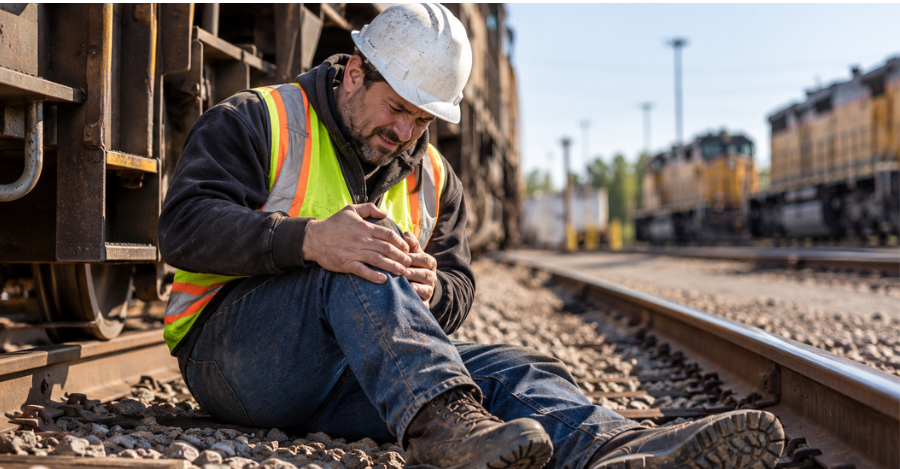
Many railroad workers are exposed to loud machinery, train horns, engines, grinders, impact tools, and other high-noise environments every day. Over time, that constant exposure can lead to permanent hearing damage. If your hearing loss is related to your work on the railroad, you may have the right to pursue compensation under the Federal Employers’ Liability Act (FELA). Understanding your rights is an important first step toward protecting your health and your financial future.
Hearing Loss Is a Common Railroad Injury
Unlike a traumatic accident, hearing loss often develops gradually over months or years of repeated noise exposure. Because the damage happens slowly, many railroad employees don’t realize how much hearing they’ve lost until everyday conversations become difficult or they experience persistent ringing in their ears.
Common sources of excessive noise on the railroad include:
- Locomotive engines
- Train horns
- Track maintenance equipment
- Grinding and cutting tools
- Heavy machinery
- Rail yards with continuous train activity
Without proper hearing protection or adequate safety measures, prolonged exposure to these conditions can result in permanent hearing damage.
Can Hearing Loss Qualify for a FELA Claim?
Yes. Hearing loss may qualify for compensation under FELA if the railroad’s negligence contributed to your injury. Unlike workers’ compensation, FELA requires injured railroad employees to prove that the railroad failed to provide a reasonably safe workplace.
Examples of negligence may include:
- Failing to provide appropriate hearing protection
- Ignoring excessive workplace noise levels
- Not maintaining equipment that creates unnecessary noise
- Failing to implement hearing conservation programs
- Not educating employees about hearing hazards
If the railroad’s actions—or failure to act—played any role in your hearing loss, you may have grounds for a FELA claim.
What Compensation May Be Available?
A successful FELA claim can provide compensation for losses resulting from occupational hearing damage, including:
- Medical expenses
- Future medical treatment
- Lost wages
- Reduced earning capacity
- Pain and suffering
- Permanent disability or impairment
Because hearing loss is often permanent, the long-term financial impact should be carefully evaluated before accepting any settlement.
Evidence Can Make a Difference
Building a strong hearing loss claim often requires detailed medical and workplace evidence. Important documentation may include:
- Audiology testing results
- Medical records
- Employment history
- Workplace noise exposure records
- Safety policies and training documentation
- Testimony from coworkers or experts
An attorney can help gather the evidence needed to demonstrate how your work environment contributed to your hearing damage.
Don’t Ignore the Signs
Many railroad workers dismiss hearing problems as a normal part of the job. Symptoms such as ringing in the ears (tinnitus), difficulty understanding conversations, or frequently asking people to repeat themselves may indicate permanent hearing damage. Seeking medical attention early not only protects your health but can also help document your condition.
Speak With an Experienced FELA Attorney
If you believe your railroad job caused your hearing loss, you may have legal options under FELA. An experienced FELA attorney can evaluate your case, investigate whether railroad negligence contributed to your injury, and help you pursue the compensation you deserve. Contact Kujawski & Associates today to discuss your situation and learn how we can help protect your rights as a railroad worker.